


Ultimate Pro Football GM
Games2rk
I approached Ultimate Pro Football GM as a sports management game rather than a traditional football title. You are not mainly controlling players during live matches; the appeal is building a football organization, making decisions, and watching your choices shape a franchise over time. That distinction matters from the first tap, because anyone expecting an action-heavy match simulator may feel that the game moves more slowly than expected.
For me, the interesting part is the sense of responsibility. A good result is not just about reacting quickly. It comes from deciding where to spend attention, which parts of the team need improvement, and when to stop chasing a short-term gain. Games2rk has kept the concept accessible enough for a first attempt at sports management, while still giving the experience enough decision-making to make each season feel like a project rather than a series of disconnected matches.
Getting from the first screen to a meaningful football decision
What the game feels like before you understand it
The store summary describes the goal as becoming a professional football general manager and creating a franchise dynasty. In practice, I found that the game is best understood as a compact management loop: review the situation, make a choice, observe the result, and adjust the plan. It rewards patience more than reflexes, so I would not install it expecting the immediate excitement of a console-style football match.
The game is free to download and carries an Everyone content rating, which makes it easy to recommend as a low-risk introduction to the genre. It is available for devices running Android 7.0 or later. The current version is 2.4.1, and the title has been available since September 13, 2020, giving it a longer presence than a newly launched experiment.
Its audience is also reasonably broad. The game has passed 500 thousand installs, with a 3.7 average from around 13 thousand ratings and roughly 4.1 thousand written reviews. I would read those figures as a sign of a recognizable but not universally loved experience: enough people have found the management idea worthwhile, while the middling average suggests that the pace and depth will not suit every football fan.
Related News

Threads in Real Life: Who Should Join, Lurk, or Leave

How SHEIN Turned Shopping Into an Endless Content Feed

How to Make Fortnite Feel Smarter on Mobile

Should You Switch to Microsoft Outlook on Mobile?

Why Gallery Keeps Pulling Users Back

X Review: Why Its Network Still Matters
That is a useful warning rather than a problem. If you enjoy planning, gradual improvement, and comparing a decision with its outcome, the format has a clear appeal. If your favorite part of football games is directly controlling a striker, defending a play, or scoring manually, this is probably the wrong first choice. A conventional match-focused game would give you more immediate action.
The first setup: keep your opening plan simple
When I begin a management game, my instinct is usually to change everything at once. That is exactly the habit I would avoid here. A first-time player gets more useful information by making a small number of deliberate choices and then seeing what happens. Treat the opening phase as a learning season, not as the moment when you must build a perfect dynasty.
Start by looking for the area that seems most likely to affect your next result. Do not spread your attention across every available option simply because each one is visible. A narrow plan is easier to evaluate: improve one weakness, protect one strength, and leave enough room to notice the consequences. If the next outcome is disappointing, you will have a better idea of what caused it.
Gallery
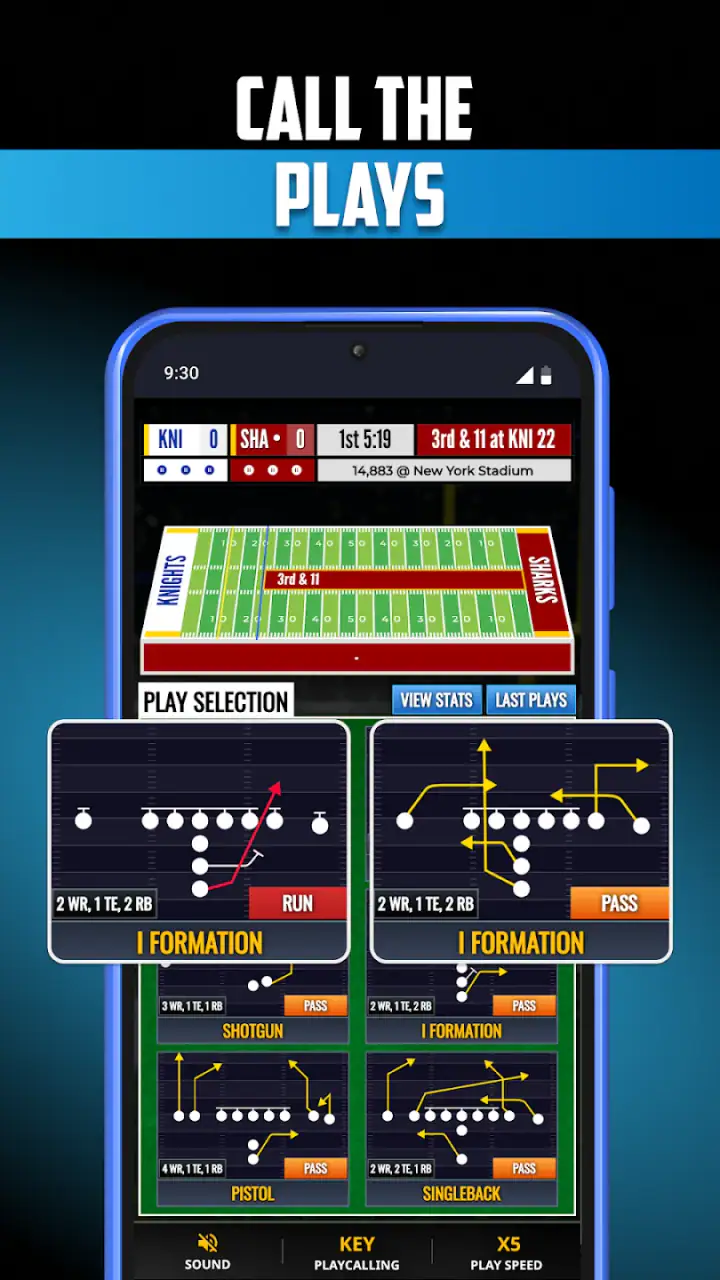
The most important beginner skill is learning to separate a bad result from a bad process. A single loss does not automatically prove that your entire strategy failed. Management games often make players overcorrect after one setback, and that can create a second problem that was not present before. I prefer to make one measured adjustment, continue, and compare the pattern rather than reacting emotionally to one screen.
Because the title is free, it is tempting to move quickly through the early choices and assume that any friction can be solved by spending. I would resist that approach. The free route is the right place to learn how the game’s decisions connect. In-app purchases range from $0.99 to $39.99 per item, so a player who is not careful can turn a casual experiment into a more expensive habit. I would only consider a purchase after understanding which part of the experience it actually improves for you.
Your first successful action should be a controlled experiment
The first meaningful success is not necessarily winning everything immediately. For me, it is making a decision with a clear reason, seeing a useful response, and knowing what to try next. That might mean identifying a weakness, choosing an improvement, and checking whether the following result looks better. The important achievement is building a repeatable way to think about the team.
A practical first-session routine is to play in short stages. Review the team, choose one priority, continue far enough to see the outcome, and then pause before making another major change. This prevents the common beginner mistake of creating a long chain of unexplained decisions. If the team improves, you know which choice deserves credit. If it struggles, you have a manageable problem to investigate.
I also recommend keeping a mental note of decisions that feel expensive or difficult to reverse. Even without turning the game into a spreadsheet exercise, this habit helps you distinguish routine choices from commitments that shape the longer run. A franchise-building game becomes much more satisfying when you can remember why you took a risk instead of simply tapping through every prompt.
Another useful tactic is to define success in stages. First, aim to understand the basic rhythm. Then look for consistency. Only after that should you chase a bigger long-term ambition. This staged approach makes the game less intimidating and gives a new player several small wins before the idea of a complete dynasty starts to matter.
Where first-time players can become confused
The biggest source of confusion is the difference between being busy and being effective. A management interface can present many decisions, but that does not mean every decision deserves immediate attention. New players may assume that the best manager is the one who changes the most. I found the opposite more useful: make fewer changes, watch the results, and let the team’s performance guide the next move.
Another point of friction is the slower emotional payoff compared with a direct football game. In a match simulator, a well-timed pass gives instant feedback. Here, the reward is more delayed. You may spend time preparing a direction and only later understand whether it worked. That delay is part of the appeal for strategic players, but it can feel flat if you are looking for constant action.
The game can also be misunderstood as a simple progress ladder where the answer is always to choose the most powerful-looking option. I would not play it that way. The more interesting trade-off is deciding whether to improve a weakness, reinforce a strength, or save resources for a larger opportunity. The strongest-looking move is not always the most sensible one if it leaves another part of the franchise neglected.
In-app purchases are another area where clarity and restraint matter. Since the title is free but offers individual purchases, I would approach the shop as optional rather than essential. First-time players should complete enough of the opening experience to decide whether they enjoy the management loop. If you dislike the basic rhythm, spending will not change the underlying style of play.
How it compares with familiar sports alternatives
Compared with a football game built around live control, this title gives up immediacy in exchange for planning. You will not get the same satisfaction from personally creating a chance or stopping an opponent with a well-timed movement. The reward comes from building a sequence of decisions and seeing the organization develop. That makes it a better fit for someone who watches football and enjoys the decisions behind the scenes than for someone who wants a controller-like experience on a phone.
Compared with more elaborate management simulators, the attraction here is approachability. A newcomer can understand the central fantasy without treating the game like a full-time administrative task. The trade-off is that experienced management fans may eventually want more depth, more detailed control, or more ways to analyze the team. I would choose this game as an accessible starting point, not automatically as the final destination for a specialist.
It also works differently from casual sports games that use football mainly as a theme for quick challenges. Those games are easier to play in tiny bursts because the objective is usually immediate. Ultimate Pro Football GM asks you to remember a broader plan. I found it more rewarding when I had enough uninterrupted time to think, although a short session can still be useful for checking progress or making one careful adjustment.
A realistic everyday way to play
Imagine having a few minutes during a commute or while waiting for an appointment. You could open the game, review the current state of the franchise, and make one decision instead of trying to complete an entire campaign. The key is not to tap through without reading. Use that short session to identify the next priority, then close the game once the decision is made. Later, return to judge the result rather than stacking several unexamined changes together.
At home, I would use a longer session differently. Give yourself time to compare options and think about the direction of the franchise. This is where the game’s slower structure becomes more enjoyable, because you can connect an earlier choice with a later outcome. The title is therefore flexible for both short checks and longer planning, but the quality of the experience depends on whether you engage with the decisions instead of treating it as background tapping.
That workflow is especially useful for players who want a calm sports game. It does not demand the same physical attention as a direct match, and it gives you a reason to return beyond simply chasing another quick score. On the other hand, if you only have patience for rapid rounds, the pauses between decisions may feel like unnecessary waiting.
Who should try it, and who should skip it
I would recommend it to a football fan who likes the idea of running a club, improving a team gradually, and accepting that a strong result may come from several modest choices. It is also a sensible entry point for someone curious about sports management but unwilling to begin with a highly complicated simulator. The Everyone rating and free entry make it easy to test without committing money at the start.
I would be more cautious recommending it to players who need direct control, constant animation, or a clear win in every short session. It is also not ideal for someone who becomes frustrated by delayed feedback or who prefers to solve every problem by selecting the strongest available upgrade. The game asks for a little interpretation, and that can feel vague if you want every system explained immediately.
Players who already spend a lot of time with deep football management games may also find the experience too compact. In that case, a larger alternative may be better if you want exhaustive tactical detail and a more demanding simulation. The advantage of this title is not that it replaces every other football game; it is that it offers a lighter route into the general manager fantasy.
Making the next step without losing control
Once the basic rhythm makes sense, I would move from isolated choices to a simple long-term identity. Decide whether your franchise is trying to grow carefully, compete quickly, or balance both goals. You do not need a complicated written plan. A single sentence is enough to prevent every new option from pulling you in a different direction.
After that, review your results in groups rather than judging each one separately. A short run of outcomes tells you more about a strategy than one surprising result. Look for repeated weaknesses and recurring strengths. If the same problem keeps appearing, it deserves priority. If an area is already performing well, constant investment there may offer less value than addressing the next bottleneck.
This is also the point where optional spending deserves a second look. Ask whether you are paying to support a game you already enjoy or trying to repair a game that has not convinced you. Those are very different situations. I would keep the free experience as the baseline, set a personal limit before buying anything, and avoid making a purchase simply because a setback feels annoying.
For daily play, consistency is more useful than intensity. A brief review followed by one intentional action can keep the franchise moving without turning the game into a chore. For weekend play, a longer planning session may reveal more of the strategic appeal. The best routine depends on your patience, but in either case I would protect the central habit: know what you are trying to change before you change it.
My final view after settling into the manager role
Ultimate Pro Football GM is a focused sports management game with a clear audience. I enjoyed it most when I treated the franchise as a long project and allowed decisions to produce consequences over time. The game is approachable, free to start, and specific enough to offer more than a collection of random football-themed taps. Its 3.7 average shows that the experience has limits, and I think the main one is easy to identify: the slower management style will not satisfy players looking for direct match action.
Still, I think Games2rk has created a worthwhile option for a first-time general manager. The best way to approach it is to begin carefully, make one meaningful decision, observe the result, and build from there. Do not rush toward every upgrade, do not assume one defeat invalidates the plan, and do not spend before you know whether the core loop suits you.
If you want a relaxed football game about shaping a franchise rather than controlling every play, I would give it a try. If you want immediate goals, hands-on movement, or a highly detailed simulation, choose a different kind of football title instead. For the right player, the satisfaction comes from looking back at a struggling team and realizing that its improvement began with a few decisions you made thoughtfully.
FAQs for Ultimate Pro Football GM
What is Ultimate Pro Football GM, and how does the gameplay work?
Ultimate Pro Football GM is a management simulation game in which you take control of a professional football franchise rather than directly controlling players on the field. You are responsible for building the roster, hiring staff, managing finances, scouting prospects, negotiating contracts, setting strategies, and making decisions that affect the team’s long-term success. Matches are presented through simulation and results depend on your choices, player quality, morale, and team development.
Can I play Ultimate Pro Football GM offline?
The game is designed primarily as a single-player management experience, but offline availability may depend on the version installed and the device platform. Some features can often be accessed without a constant connection, while advertisements, cloud services, updates, or certain online functions may require internet access. It is best to launch the game once while connected and check which features remain available after switching to offline mode.
Does Ultimate Pro Football GM include in-app purchases or advertisements?
Ultimate Pro Football GM may include optional in-app purchases and advertising, depending on the platform, region, and current version of the game. Purchases can provide convenience or additional resources, but they are not necessarily required to enjoy the core management experience. Before downloading, review the store listing and your device’s purchase settings, especially if children may access the game.
Is Ultimate Pro Football GM suitable for beginners who are unfamiliar with football management games?
Yes, the game can be approachable for newcomers because its main systems are introduced through menus, team management screens, and decision-making options rather than demanding real-time controls. However, there is still a learning curve involving salary management, player development, scouting, tactics, and roster planning. New players should expect to experiment during the first seasons and use the available information before making expensive decisions.
What devices are required to run Ultimate Pro Football GM smoothly?
The exact requirements vary between Android and iOS versions, as well as between different updates. In general, the game should run on many relatively recent smartphones and tablets, but older devices may experience slower menus, longer loading times, or compatibility problems. Check the official store page for the current operating-system requirement, available storage, and recent user feedback before installing it.
Pros
- Deep roster and salary-cap management for football fans.
- Multiple seasons provide long-term progression and replay value.
- Detailed statistics help evaluate players and make informed decisions.
- Trade
- draft
- and free-agent systems offer plenty of strategic options.
- Runs smoothly on most modern phones with simple touch controls.
Cons
- The learning curve can feel steep for players new to sports management sims.
- Some seasons may become repetitive once you find a winning strategy.
- Limited visual presentation compared with action-focused football games.
- Progress can require significant time investment to manage every detail.
- Certain advanced features may be restricted or tied to in-app purchases.


